
How to Plan a Professional Tournament Fundraiser on a Budget
Planning a charity pickleball tournament, cornhole competition, 3-on-3 basketball fundraiser, volleyball, soccer, hockey, or flag football fundraiser? Creating a professional, memorable experience for participants and sponsors is important, but so is keeping expenses in check.
The good news: A well-run tournament doesn't have to come with a big price tag. With thoughtful planning, creative partnerships, and the right tools, even small, volunteer-led events can deliver an experience that rivals much larger fundraisers at a reasonable cost.
Here are a few practical ways to plan a professional tournament fundraiser on a budget while maximizing the impact of every dollar raised.
Start With Your Fundraising Goal & Event Budget
Before ordering banners, reserving facilities, or purchasing participant giveaways, establish your fundraising goal and determine what you can reasonably afford to spend.
Start by estimating revenue from team registrations, sponsorships, donations, raffles, and other fundraising activities. Then outline anticipated expenses, including facility rentals, equipment, food and beverage costs, marketing materials, awards, and technology.
A few tips for building your budget:
Set a target for net proceeds. Determine how much you want to raise for your cause after expenses.
Identify fixed and variable costs. Facility rentals may be fixed, while food, shirts, and giveaways increase with participation.
Build in a contingency. Unexpected expenses happen, even with the best planning.
Look for opportunities to offset costs. Sponsorships and in-kind donations can help cover expenses before registration revenue is committed.
The objective isn't necessarily to produce the cheapest event possible. It's to spend strategically on the things that improve the experience, attract supporters, and contribute to fundraising success (now and in the future).
Prioritize the Right Details
When organizers think about making an event look professional, they often focus on banners, decorations, branded merchandise, and other visual elements. Those things can certainly contribute to the experience, but a well-organized and efficiently executed tournament makes a much bigger impression than expensive décor.
Participants are more likely to remember whether registration was easy, check-in was organized, matches started on time, and they knew exactly when and where their matches were set to happen. Prioritize these elements:
Easy registration and payment: Make it simple for participants to register, pay, and complete miscellaneous tasks like required waivers and photo releases ahead of time, so they don’t have to fuss with them at check-in.
Gather specifics ahead of time: Collect information like shirt sizes, meal preferences, skill level, and other personal preferences ahead of time, so you can make check-in and welcome packages more personal.
Provide VIP offerings: Offer VIP experience, priority check-ins or seating, and higher-end amenities at a higher price point for those willing and able to invest in them.
Clear communication: Keep your event website up-to-date and be sure players have a link to it so they can check for updates when pertinent. Share schedules, rules, locations, and event-day plans in advance via email so all details are conveyed clearly.
Organized divisions and scheduling: Ensure players know who they're competing against and when by posting and/or announcing match schedules. Text reminders and posted schedules from RecDay make this super easy.
Accessible brackets and standings: Make it easy for participants and spectators to follow tournament progress on your event website, on socials, and live at the event both during and after the tournament.
Efficient event-day operations: Reduce confusion, delays, and unnecessary waiting, which can be frustrated and even cause player injuries.
A smooth tournament experience doesn't necessarily require a large budget. It requires good planning, clear communication, and systems that keep everything organized.
And when participants have a great experience, they're more likely to return next year, invite friends, and continue supporting your cause.
3. Use Technology to Reduce Costs & Administrative Burdens
When you're working with a limited budget, you use what you can scrape together. Many tournament organizers start with Google Forms for registration, Venmo or checks for payments, spreadsheets for organizing teams, and a free bracket generator for tournament play.
While these tools can help get an event off the ground, coordinating pieces of the event separately and across multiple tools can create a surprising amount of duplicative work.
Someone has to reconcile registrations and payments, track waivers, organize divisions, determine match schedules, calculate standings, seed brackets, and communicate updates to participants. Then, if something doesn’t go as planned (a player arrives late, a team is added to a round robin schedule late-minute, or someone gets injured and has to forfeit), the whole schedule gets busted.
In short, disconnected tools can also introduce mistakes, duplicate work, and last-minute complications that affect the participant experience. As your tournament grows, these responsibilities only multiply, and the stakes get higher and higher as expectations for the event’s professionalism rise.
The Value of Purpose-Built, Integrated Tech
Every hour spent manually updating spreadsheets or tracking down sponsor logos, waiver signatures, t-shirt sizes, and checks is time that could be devoted to stewarding donors, promoting the event, engaging with potential sponsors, connecting with local media, and spreading the word.
An integrated tournament management platform can simplify these responsibilities by bringing registration, payments, waivers, sponsorships, scheduling, brackets, and live scoring together, into one seamless solution. RecDay is exactly that, and it’s purpose-built for tournament fundraisers.
RecDay's tournament fundraising platform helps organizers manage these elements in one place, reducing administrative work while creating a more seamless experience for participants and sponsors.
Professional Branding Without Extra Expenses
Consistent branding can make any event feel polished and established. Fortunately, you don't need an elaborate design budget to create a cohesive event identity.
Start with a recognizable event name, logo, and color palette. Use those elements consistently across your registration website, promotional graphics, communications, and event-day materials.
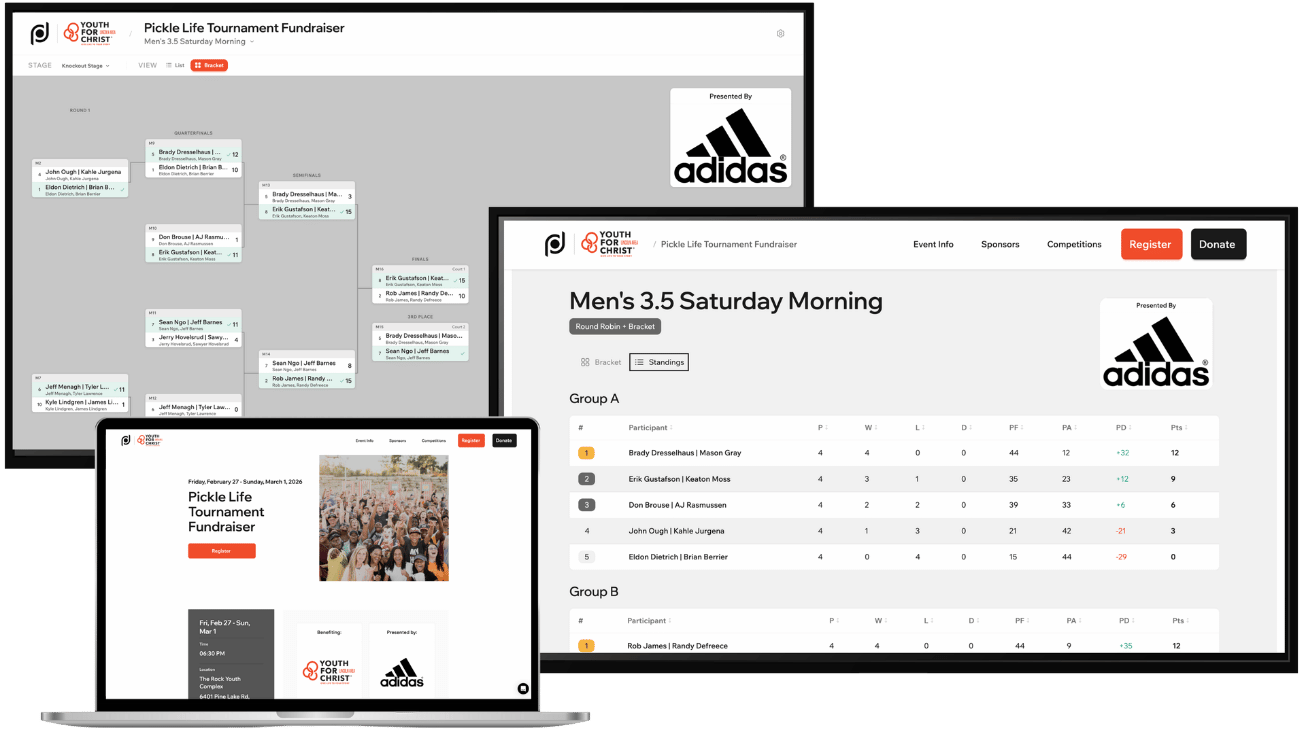
RecDay makes it easy to add professional branding without the cost and logistical concerns of adding sponsor branding to hard goods.
Budget-Friendly Ways to Elevate Your Event's Appearance
Prioritize digital materials. Create social media graphics, email banners, and promotional images that can be reused and updated.
Display tournament info digitally. Standings and brackets are what everyone’s looking for. Display them digitally with organization and sponsor branding.
Invest in versatile signage. Choose a few high-impact signs instead of printing new materials for every location or activity.
Use venue displays. Monitors, scoreboards, and other available screens can display schedules, brackets, and sponsor recognition.
Create a simple photo opportunity. A branded backdrop or designated photo area can encourage participants to share their experience online.
Design for future years. Avoid putting dates on every banner or sign so materials can be reused.
The goal is consistency, not extravagance. A handful of thoughtfully designed materials can create a stronger impression than an assortment of expensive, mismatched decorations.
More Sponsor Visibility Without More Spending
Meaningful sponsor recognition doesn't have to mean expensive banners, printed signs, or promotional merchandise. Think about all the places participants interact with your event before, during, and after tournament day.
Creative, Cost-Effective Sponsor Recognition
Event website: Feature sponsor logos and information where participants register and find event details.
Digital brackets and standings: Incorporate sponsor branding into the tournament information players and spectators reference throughout the event.
Live leaderboards: Display sponsor recognition alongside scores and match results.
Email communications: Thank sponsors in registration confirmations, event reminders, and post-event messages.
Social media: Highlight sponsors in promotional posts, event photos, and recaps.
Event announcements: Recognize sponsors during opening remarks, breaks, and awards presentations.
Digital sponsorship recognition is especially valuable because it can reach supporters beyond the physical event location. RecDay allows organizers to incorporate sponsor branding into event websites, brackets, standings, and leaderboards, creating opportunities for exposure without adding printing expenses.
Creative Ways to Offset Event Expenses
In-kind donations, discounted services, and community partnerships can help reduce expenses for your tournament fundraiser while bringing more local businesses and supporters into the event. Consider seeking donations or discounts for:
Facility time: Recreation centers, sporting clubs, schools, and other venues may offer nonprofit rates or donated court and field access.
Food and beverages: Local restaurants, grocery stores, and beverage distributors may contribute refreshments.
Awards and prizes: Businesses may donate gift cards, merchandise, or experiences for tournament winners and raffles.
Photography: Local photographers may offer discounted or donated services in exchange for recognition.
Participant merchandise: Sponsors may be willing to cover the cost of shirts, hats, or other giveaways.
Equipment: Sporting goods stores, clubs, and community partners may be able to lend or donate supplies.
Auction and raffle items: Other local businesses are often eager to get their products and services in front of attendees, and auction/raffle items are a great way to do it.

Raffle and auction items can go a long way in bringing in additional fundraising revenue without incurring additional expense.
Don't overlook the value of existing relationships. Board members, volunteers, sponsors, and participants may have connections that make securing both sponsorships and in-kind donations easier.
And remember that participant appreciation doesn't have to be expensive. A thoughtful thank-you message, team photo, social media acknowledgment, or post-event impact update can be meaningful without adding much to your budget.
Avoid Common Expenses That Eat Into Fundraising Proceeds
Even small, unnecessary purchases can add up quickly when you're organizing a tournament fundraiser. Before committing to an expense, consider whether it will improve the participant experience, help generate revenue, or meaningfully support your mission. Some common budget pitfalls include:
Over-customizing event materials. Printing unique signs, banners, or merchandise for every sponsor can become expensive.
Ordering too much. Extra shirts, food, giveaways, and awards add up. Use confirmed registrations and realistic attendance estimates to guide purchasing decisions.
Last-minute purchases. Rush printing, expedited shipping, and emergency equipment purchases often cost more. Establish a planning timeline and stick to it.
Paying for event platforms. Separate subscriptions or fees for registration, ticketing, scheduling, and bracket management can add up.
Overlooking payment and platform fees. Transaction fees, platform fees, and other charges can affect your event's bottom line. Understand how payment processing fees are calculated, who covers them, and whether nonprofit pricing or alternative funding options are available.
What Success Looks Like
A tournament can look fantastic, attract a crowd, and generate plenty of social media activity without necessarily delivering the fundraising results you hoped for. Measuring success in concrete ways helps your organization understand which investments paid off, what could be improved, and how the event contributed to your mission. Consider evaluating:
Net fundraising proceeds: How much money did the tournament generate after expenses?
Participation and retention: How many players and teams registered, and how many were returning supporters?
New donors acquired: How many people and/or businesses made their first contribution to your organization through the event?
Exposure to new audiences: Did the tournament introduce your cause to players, families, spectators, businesses, or community members who weren't previously familiar with your organization?
Sponsorship revenue and satisfaction: How much support did sponsors provide, and did they receive meaningful recognition?
Volunteer and staff time: How much time and effort was required to plan and execute the event?
Future engagement opportunities: Did the fundraiser generate new volunteers, prospective sponsors, or supporters interested in staying involved?
The Value of Reaching New Donors
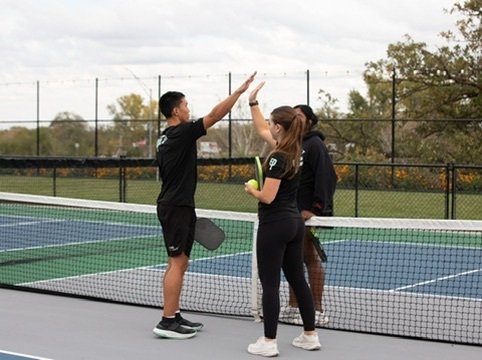
One of the greatest advantages of sporting events and tournament fundraisers built around recreation activities is their ability to introduce a cause to people who might never attend an auction, wine tasting, or gala.
Someone might register for a pickleball tournament because a friend invited them, join a cornhole competition with coworkers, or attend a basketball fundraiser to support a family member. They may have no prior relationship with your nonprofit. That creates an opportunity to share your mission, build awareness, and turn a positive event experience into a longer-term connection.
Consider how you'll capture participant and donor information, identify first-time supporters, and follow up after the event. Where appropriate, invite participants to opt in to future communications so you can continue building those relationships.
The value of a tournament fundraiser isn't limited to the dollars raised on event day. New donors, greater community awareness, and stronger sponsor relationships can contribute to your organization's success long after the final match.
A Sleek, Professional Tournament Doesn't Have to Be Expensive
A successful charity tournament isn't necessarily the one with the biggest budget. It's the one that creates a great experience, engages the community, provides value to sponsors, and directs as much money as possible toward the cause.
With the right planning and technology, organizers can reduce unnecessary expenses, simplify logistics, and deliver a professional tournament experience without overwhelming staff or volunteers.
RecDay brings registration, payments, sponsorship management, scheduling, brackets, and live scoring together in one platform, making it easier to organize and grow charity sporting events.
Get Started with RecDay
Are you a nonprofit organization and working on an event that raises money for one? RecDay’s Play with Purpose program provides our tournament fundraiser software (including everything from a custom event registration website to scoring, seeding, and brackets) to qualifying events at no cost. Learn more about Play with Purpose and see if your event qualifies at the link below.