
Five Event Fundraising Trends to Watch in 2027
Nonprofits are entering 2027 with a fundraising landscape that looks different than it did even two years ago. Supporters are craving in-person connection, increasingly gravitating toward active hobbies, and seeking ways to give back that fit into their shifting schedules. At the same time, new technology is making it dramatically easier for teams to run high-impact events without burning out.
For nonprofits, the bottom line is clear: fundraising events are a huge opportunity. The organizations paying attention to what is capturing interest will be the ones who grow their donor base, strengthen community ties, and unlock more predictable revenue.
Below are the five event fundraising trends to watch in 2027—and how your organization can turn each one into practical growth.
1. Sporting Events Are Gaining Serious Traction
Across the country, people are picking up new hobbies—especially pickleball, cornhole, social running, walking clubs, and low-barrier community sports. These activities have two major things in common:
They bring people together naturally, and
They are perfect containers for fundraising.
Why Sports-Based Fundraisers Are on the Rise
People are more active and looking for simple, fun ways to move.
Social recreation is exploding, with pickleball leading the charge as the fastest-growing sport in the U.S.
Donors love events they can participate in, not just attend.
These formats welcome all ages and ability levels, ideal for family-friendly fundraisers.
How Nonprofits Can Capitalize
Host a charity pickleball tournament, cornhole bracket, or mixed-activity field day.
Build events around the sports your audience already loves, rather than inventing something from scratch.
Use a platform like RecDay to handle brackets, scoring, registration, and communication so your staff can focus on donor relationships rather than logistics.
Pro Tip for 2027
Make sponsorships more visible. Sporting events give businesses natural brand visibility—brackets, courts, leaderboards, and shirts all become valuable sponsor inventory.
2. Kids & Families Are Getting Involved
Millennial families are increasing their giving capacity while also growing into grade-school ages and beyond. This is a double-whammy: there is more interest in giving and family-friendly events more attractive to this demographic. Consider this as you slate out your organization’s 2027 fundraising event calendar. Where and how can families and kids be involved How can they be included and in what types of events will they enjoy being included?
Why Family-Friendly Events Matter
Aligning values. When your organization signals values alignment, it becomes easier to build relationships with and steward donors over time.
Reaching new donors keeps fundraising sustainable and growing.
Creating family traditions helps your organization build event revenue year over year.
Adding value for sponsors. Family-friendly events open up new categories of sponsorship, including pediatric medicine, apparel, entertainment, restaurants, and more.
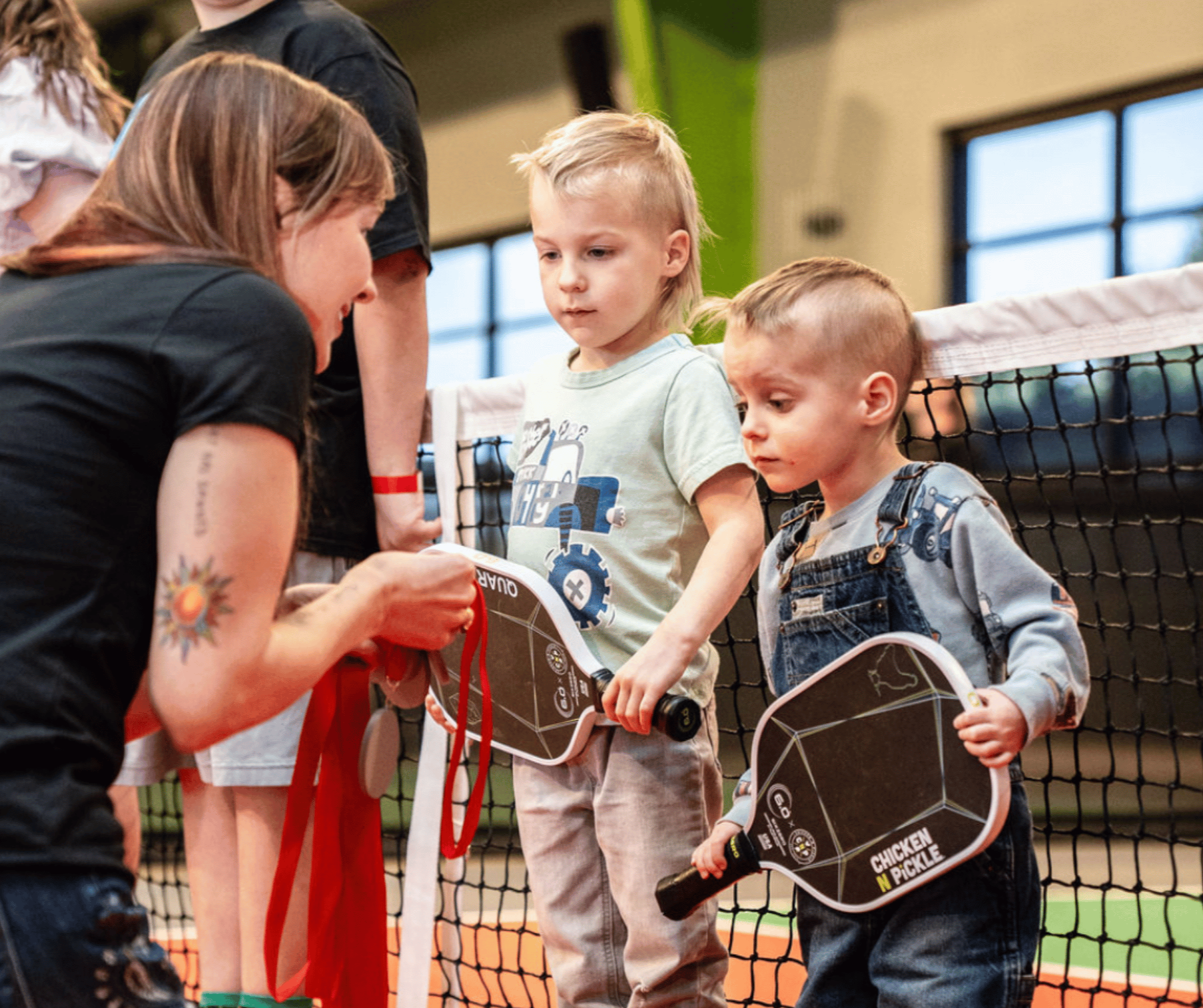
Look for ways to incorporate kids in tournament fundraisers, including a kids’ bracket, kids’ court, medal ceremony, and thank-you note station.
How Nonprofits Can Capitalize
Some events are fundamentally not well-suited for families—they’re scheduled late into the evening, involve formal dress and dinners, are don’t include space and accommodations for kids. No need to shift or eliminate these events, but consider adding some options that do include kids, such as:
Include a kids’ court where kids can play together throughout the tournament
Include a division for kids in your cornhole, pickleball, hockey, basketball, or volleyball fundraiser
Add a bracket for parent-child teams
Include a kids’ clinic with a youth coach or instructor teaching basic skills
Add challenges, activities, and games geared toward families
Pro Tip for 2027
An entire event doesn’t have to be geared toward kids in order for it to be family friendly. But, it’s important to consider where and how kids will spend their time. Importantly, be sure to include waivers and photo releases for parents of kids actively participating in the tournament as part of the registration process (RecDay makes this easy, by the way).
3. Supporters Have Higher Expectations
As technology becomes more accessible and integrated, supporters have increasingly higher expectations. That starts with how they’re informed about an event, and extends all the way through to how they register for and sponsor it, and the experience they have the day-of. Supporters want quick, secure sign-up options that are mobile friendly and take a few simple clicks—not clunky forms and manual payments.
Why this Trend is Accelerating
Technology is moving quickly and people are busy. They need convenience. They need to be able to trust your organization to make the event easy to learn about and easy to support. Be sure to consider:
How you’ll communicate before, during, and after the event, including last-minute changes, weather plans, and updates.
Ways to personalize the experience, such as welcome packages, player gifts, and recognition for long-standing supporters or above-and-beyond volunteers.
Get scheduling right so people aren’t waiting around, arriving late or early, and feeling frustrated and bored.
How Nonprofits Can Capitalize
Keep your systems and processes centralized. Avoid using one tool for registrations, another for payments, and another for day-of coordination.
Keep teams working together. That means your committee, the venue staff, and your volunteers all have one central source of truth.
Communicate clearly. Direct people to one place (probably an event website) for timely info, and keep it updated.
Pro Tip for 2027
Bringing the right technology into the fold can upgrade registration processes, communicate in real-time, and just make the experience better. It can also take the pressure of your hard-working staff, so they’re freed up to think about the warm, human interactions that make people feel welcome, seen, and taken care of.
4. Social Media Is Increasingly Important
The vast majority of supporters are spending a good portion of their time on social media, making it a crucial channel for getting their attention before, during, and after event fundraisers.
Why this matters in 2027
Whether you’re launching a new event or trying to grow an old one, you’ll have to incorporate social into your strategy to reach players, sponsors, spectators, news media, potential partners, volunteers, and other supporters. The good news? Sports- and activity-based fundraising events do well on social, creating fun content that helps you reach new donors
How Nonprofits Can Capitalize
An event website with built-in registration makes it easy to capture attention on social and send people directly to a place where they can immediately commit.
Use real-time scoring & brackets which get shared by players during and after the event, creating visibility across networks and reaching new audiences.
Winner photos get shared across social, bringing new eyeballs to your event and your cause. Be sure to consider photo backdrops, and make time for medals and trophies.
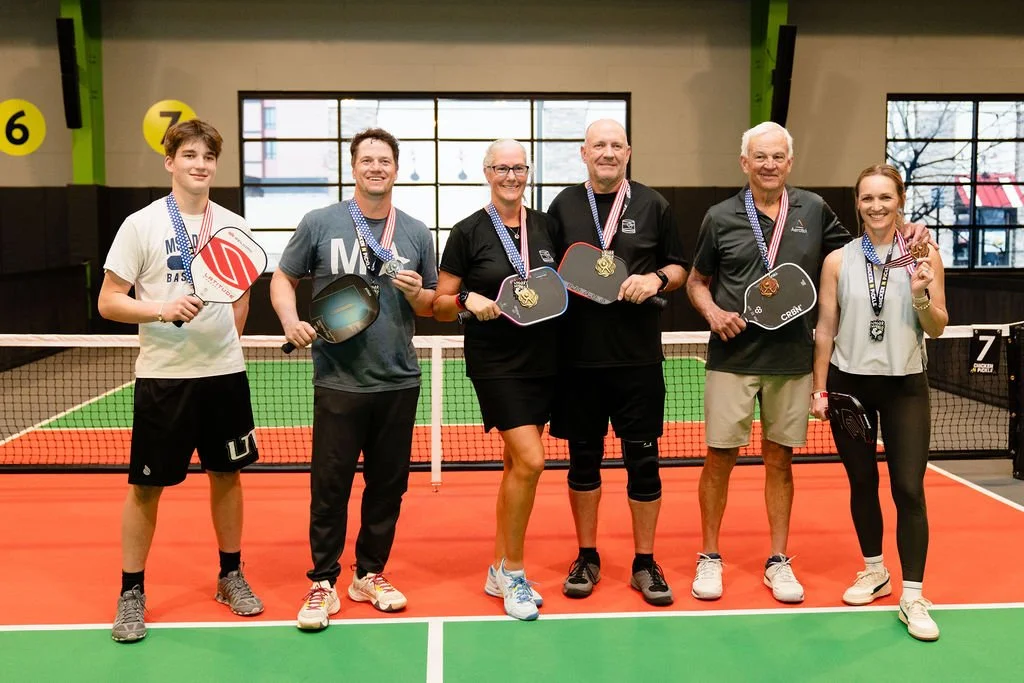
A simple photo backdrop, or even a designated place for medal winners to take photos at your tournament fundraiser can go a long way to ensure images make their way to social media.
Powered by RecDay
Pro Tip for 2027
Be sure to include social media in your promotional strategy, but also consider the steps a user must take after they engage with your posts to actually commit to and support your events. You’ll need more than social engagement in order to get people to attend, and making that process seamless is crucial.
4. Community-Centered Events That Rally Around Fun & Fitness
Supporters aren't necessarily looking for another banquet or ballroom fundraiser. Increasingly, they're drawn to experiences that combine physical activity, social connection, and low-pressure fun. That's why sports and recreation-based fundraisers, like pickleball tournaments, cornhole competitions, charity walks, and outdoor fitness events, are becoming appealing alternatives to traditional fundraising formats.
These events give supporters an opportunity to get moving, spend time with friends and family, and support a meaningful cause—all at once. Whether participants are competitive athletes, casual players, or simply there to cheer others on, the emphasis is on bringing people together through shared experiences that promote both community and well-being.
Why Community-Centered Fundraisers Work Well
Inclusive participation: People of different ages, interests, and abilities can play, volunteer, cheer, or sponsor.
Health and wellness: Active events encourage movement, outdoor recreation, and healthy habits while supporting a good cause.
Stronger connections: Shared experiences create lasting memories and a sense of belonging.
Lower barriers to entry: Familiar, recreational activities make it easier to attract new supporters who might not attend a traditional fundraiser.
Greater community involvement: Local businesses, fitness facilities, volunteers, and community partners have natural opportunities to participate.
Repeatable formats: Tournaments and recreational events can become annual traditions or expand across multiple locations.
Pickleball mixers. Cornhole tailgates. Charity fitness challenges. Outdoor social nights. Mini-tournaments. These formats feel more like community gatherings than traditional fundraisers, creating opportunities for stronger engagement and ongoing support.
How Nonprofits Can Make the Most of This Trend
Offer a mix of competitive and recreational activities so participants of different skill levels feel welcome.
Keep events fun and approachable without sacrificing organization.
Streamline registration, scheduling, scoring, and sponsorship management with an event platform like RecDay so organizers can focus on the participant experience.
Partner with local gyms, recreation centers, sports clubs, and wellness businesses to expand participation and sponsorship opportunities.
Incorporate photo-worthy moments, encourage social sharing, and create opportunities for participants to connect with the mission behind the event.
Pro Tip for 2027
Fitness, fun, and fundraising are a natural fit. When supporters can do something good for themselves while doing something good for their communities, they're more likely to return, bring others, and build lasting connections with the cause.
Looking Ahead: Event Fundraising in 2027
The future of event fundraising is about creating meaningful experiences that bring people together, strengthen communities, and inspire lasting support. From innovative technology to creative sponsorships and recreation-based events, nonprofits have more opportunities than ever to engage supporters in new ways.
If a tournament fundraiser is on the agenda, explore RecDay and start planning your next fundraiser.