Three Easy Things to Do at Year-End to Set Next Year’s Event Fundraisers Up for Success
For nonprofit teams, quarter one is a blur. By the time spring hits, event season is suddenly on top of you. For many, small early decisions can have a massive impact on fundraising success, especially for events.
The good news? You don’t need a finished event plan to get ahead. In fact, many of the most successful event organizers do just a few simple things early—and reap huge benefits later on. Here are three quick, low-lift actions that can dramatically increase turnout, sponsorships, and revenue for 2026 events, especially if you run sporting events and community-based tournament fundraisers or peer-to-peer campaigns that rely on them.
1. Lock in Date & Venue
Limited venue availability can be a huge bottleneck—especially for sports-based events that require courts, fields, or specific venue spaces. The sooner you reserve your date, the more options and flexibility you have.
Why Securing a Date Matters
Venues fill up fast, especially community centers, gyms, pickleball facilities, breweries, parks, and school campuses.
Peak fundraising months overlap with other local events (graduations, festivals, sports seasons) which can dilute turnout if you aren’t strategic.
Locking in early makes it easier to secure sponsors, volunteers, and recurring participants.
Venues sometimes have a limited allotment of in-kind or space donations they’re willing to provide on a first-come-first-served basis.
How to Pick the Right Date
Check local community event calendars for holiday activities, school events, marathons, festivals, and other potential conflicts.
Avoid overlapping with other major fundraisers or nonprofit events unless collaboration is possible.
Consider weather, indoor/outdoor needs, accessibility, and family schedules.
Think about seasonal interest; indoor winter tournaments often attract new players, while outdoor summer events draw families.
Once your date is set, add it to your organization’s master calendar and volunteer schedule—even if the rest of the details aren’t built yet. This small step reserves internal bandwidth for your team.

Breweries with indoor/outdoor courts and spaces for participants and spectators to enjoy food, beverage, and other activities can be ideal for fundraisers—but the best dates often fill quickly.
2. Send Save-the-Dates (Early)
People are busy. Sending a save the date early gives them the margin they need to commit—and it keeps your nonprofit top of mind long before invitations go out.
Who Should Receive a Save the Date?
Last year’s attendees: They’re the participants most likely to return.
Sponsors from previous events: Especially those approaching fiscal year-end planning who will need to slate next year’s support into budgets.
Volunteers and ambassadors: So they can reserve the date before other obligations fill it.
New supporters who’ve joined your list or become newly interested in your cause in the last 12 months.
Why Early Save-the-Dates Matter
People plan vacations, trips, and activities months in advance—especially families and young professionals.
Early communication signals that your event will be organized, reliable, and worth their time.
Sponsors appreciate long lead time, allowing them to budget, coordinate staff participation, and plan for the brand visibility/PR.
What your Save-the-Date Should Include
Event name
Date
Location
A link to your event website or landing page (more on this below)
Include save the dates in all year-end communications—annual reports, holiday cards, stewardship updates, volunteer newsletters. People skim emails; repeated touchpoints ensure the date sticks.
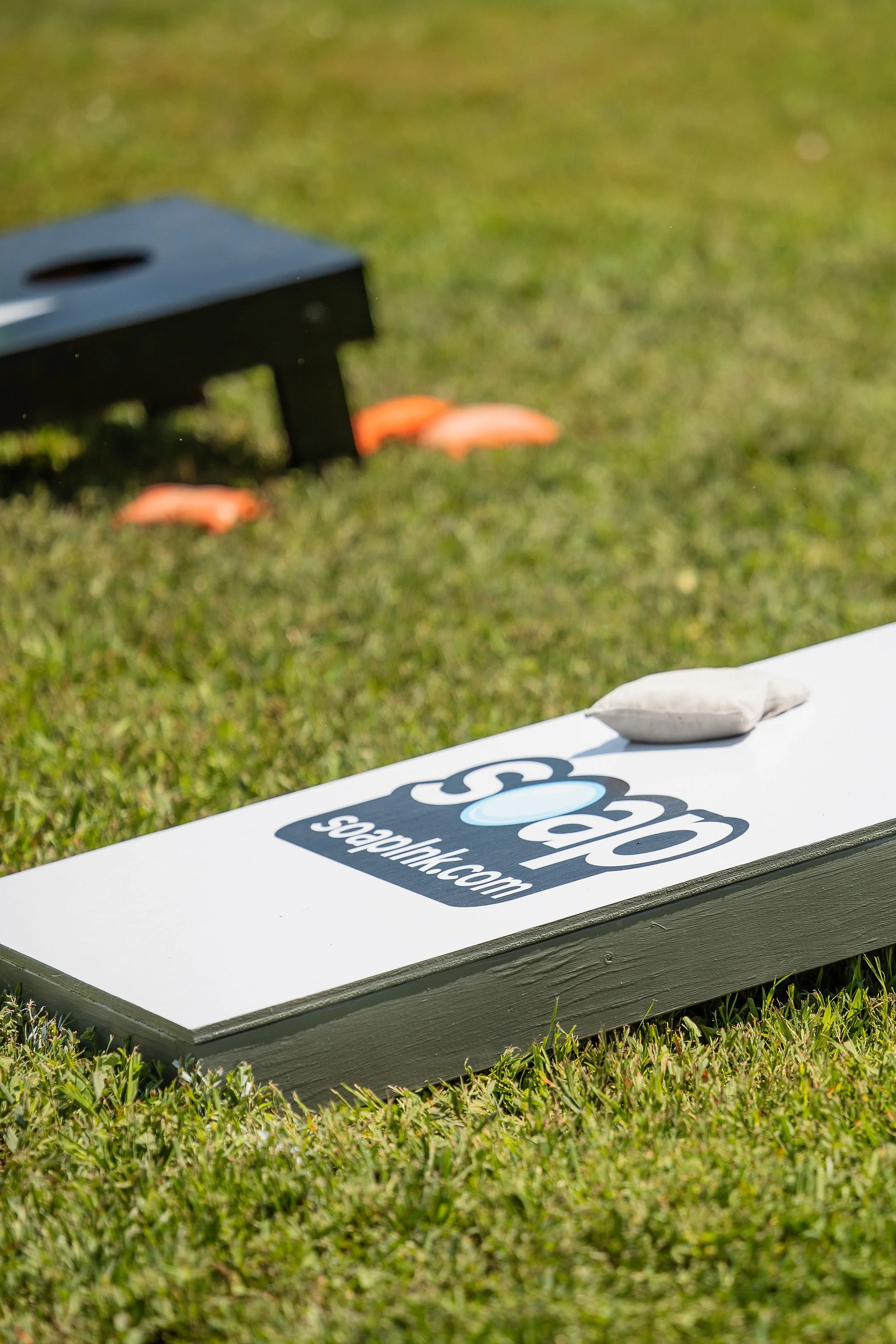
Sponsors often want to know about spring and summer events at fiscal year-end, so they can plan to support them through sponsorship and donations.
3. Get an Event Website Up (Even If Details Aren’t Final)
One of the fastest ways to build momentum for your event is by simply giving it a home online. Even a bare-bones page effectively anchors all your outreach and streamline future tasks.
Why an Event Website is Essential
It gives donors a go-to place to check for updates as they become available.
Staff and volunteers can easily share a link in emails, newsletters, and conversations.
Sponsors view early digital visibility as a sign of professionalism.
It turns “We’re planning this event…” into “This event is happening—join us.”
You don’t need finalized details. Start with the event name, date, and location. Include information and imagery for the organization/cause, helping draw supporters back to the purpose or beneficiary. Add a note about when registration or updates will become available (if you know the timeframe).
RecDay is a purpose-built tool that makes this incredibly easy. A professional event website is free for event organizers planning tournaments that raise money for a nonprofit organization or cause. They’re easy to launch, with all the tools you need to centralize the information pertinent to your event that you can start to spread the word about on your organization’s website and subpages, on social, in email, and beyond. Wondering where else to link your event website? Consider: Newsletter footers, volunteer communications and portals, social media bios, email signatures, QR codes on postcards or magnets, and in year-end donor mailings.
What’s more, search engines need time to index your event page. Publishing early not only ensures ample opportunity to share the event across channels, it helps your fundraiser show up in local searches and improves AI discoverability as the event date approaches.
Small Steps Now = Big Payoffs Later
These three tasks—locking in a venue, sending save-the-dates, and publishing an event page—may seen small, but they create a crucial foundation for a smooth, high-performing event. Taking action now also helps prevent scheduling conflicts, strengthen donor awareness, attract sponsors earlier, reduce staff stress, and improve turnout. Most importantly, with the proper support and technology, each step takes less than 10 minutes. They’re simple, strategic moves that set your nonprofit up for bigger impact and stronger revenue next year.
Get Started
If you want to make event planning easier—from early announcements to only registration that collects all the information you need from registrants up-front, dynamic round robin scheduling and bracket management, and donation/fundraising features that make it easy for supporters to give—RecDay gives nonprofits everything they need in one platform. Get in touch below to get knock out these three early set-up elements in one fell swoop.